Custom oral appliance therapy may suit some adults with diagnosed obstructive sleep apnea (OSA) who prefer a CPAP alternative or cannot tolerate CPAP. Suitability depends on OSA severity, dental health, available teeth or other appliance support, jaw function, your preferences, and medical evaluation.
The appliance works by holding your lower jaw slightly forward while you sleep. That position helps keep your upper airway open, so it is less likely to collapse during the night.
Two professionals share this care. A qualified medical clinician diagnoses OSA through an appropriate sleep evaluation. A qualified dentist then checks dental suitability, provides and adjusts the appliance, and works alongside your sleep-care team.
Oral appliances and CPAP are not interchangeable. CPAP generally reduces breathing events more effectively, yet comfort, preference, and consistent nightly use all shape the right choice.
At Beth Snyder, DMD & Associates, we provide oral appliance therapy in Doylestown, PA, as part of our sleep apnea treatment. Below, we explain who tends to qualify and how the evaluation works.
What Is Oral Appliance Therapy, and How Does It Treat Obstructive Sleep Apnea?
Before you consider candidacy, it helps to understand what the appliance does. Oral appliance therapy belongs to dental sleep medicine, the area of dentistry that treats sleep-related breathing problems with custom devices.
How a Mandibular Advancement Device Helps Keep the Airway Open
“Mandible” is the clinical word for your lower jaw. Mandibular advancement simply means moving the lower jaw forward a small, controlled amount.
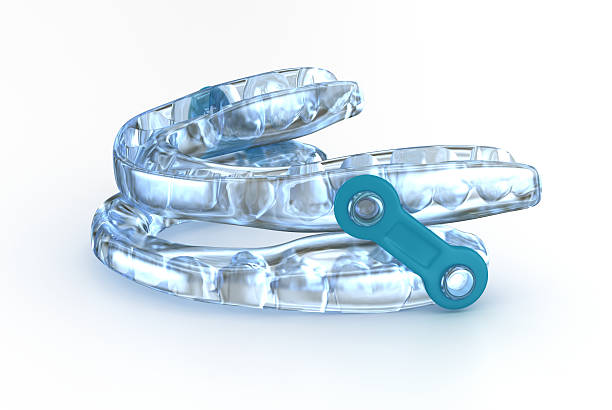
A mandibular advancement device, sometimes called a mandibular repositioning device, is a sleep apnea oral appliance that fits over your upper and lower teeth. It holds the lower jaw forward during sleep. That shift also draws the tongue and nearby soft tissues forward, which can reduce upper-airway obstruction in some patients.
The word “some” matters here. Airway anatomy varies from person to person, and the same jaw position does not help everyone equally. That variation is one reason candidacy calls for a careful evaluation.
Why a Custom, Adjustable Appliance Is Different From a Generic Mouthguard
A custom sleep apnea mouthpiece and a protective nightguard can look alike, but they do different jobs. A nightguard shields teeth from grinding or clenching. A sleep apnea appliance positions the jaw to support airflow. Store-bought and boil-and-bite mouthguards are not designed or adjusted to treat OSA.
Professional fitting matters for two reasons. A precise fit helps the appliance stay stable and distribute pressure across the teeth. Adjustability lets your dentist advance the jaw in small, controlled steps until the position balances comfort and effectiveness. This is why dentists call these appliances “titratable,” meaning adjustable over time.
How Oral Appliance Therapy Differs From CPAP
CPAP, short for continuous positive airway pressure, uses a mask and gentle pressurized air to hold the airway open. A mandibular advancement device works mechanically, by changing jaw position instead.
That difference helps explain why some patients tolerate one option better than the other. Your sleep physician and dentist weigh both when deciding whether an appliance fits your situation.
Which Sleep Apnea Patients May Be Good Candidates for Oral Appliance Therapy?
No single symptom or severity label decides candidacy. Your sleep physician and dentist look at your diagnosis, health, mouth, and goals together. Patients in the groups below often explore oral appliances, but each person still needs an individual evaluation.
Adults With Obstructive Sleep Apnea Who Prefer an Alternative to CPAP
Some adults know early on that a mask and hose will not fit their lives. Frequent travelers, light sleepers, and people who feel claustrophobic under a mask often fall into this group.
Professional guidelines recognize oral appliance therapy as an option for adults with OSA who prefer an alternative to CPAP. That choice still follows a medical diagnosis and a shared decision with your sleep physician. Preference opens the conversation. It does not replace diagnostic or follow-up sleep testing.
Patients Who Cannot Tolerate CPAP Consistently
Many people try CPAP and struggle with it. Common barriers include mask discomfort, air leaks, dry nasal passages, and trouble adapting to sleeping with the equipment.
Some patients do better after their sleep team changes mask style or pressure settings. Others decide, with their physician, to pursue a different approach. If you are weighing that decision, our article on alternatives when CPAP doesn’t work covers it in more detail.
Patients With Mild or Moderate OSA Who Meet Dental Suitability Requirements
Sleep physicians commonly consider oral appliances for mild-to-moderate OSA. Still, a mild or moderate label alone does not make someone a candidate. Mild OSA also does not automatically call for an appliance.
Your care team weighs several factors:
- Symptoms, such as daytime sleepiness or loud snoring
- Oxygen levels during sleep
- Other medical conditions, including heart or blood pressure concerns
- Your treatment goals and preferences
- Dental findings from your exam
- How well an appliance is likely to work for your airway
A patient with moderate OSA and healthy, stable teeth may be a strong fit. A patient with mild OSA and active gum disease may need dental treatment first.
Can Patients With Severe Sleep Apnea Use an Oral Appliance?
Sometimes, with more caution. CPAP is generally the more effective first-line approach for severe OSA. It typically lowers breathing events and improves oxygen levels more than an oral appliance does.
Your physician may still consider oral appliance therapy if you cannot tolerate CPAP or decline it. In those cases, close medical oversight and objective follow-up testing matter even more. An appliance may improve severe OSA without controlling it adequately, so testing guides the next step.
What Dental Conditions Affect Oral Appliance Candidacy?
This is where dental sleep medicine differs from general sleep apnea care. A sleep physician confirms that you have OSA. A dental exam shows whether your teeth, gums, and jaw can support an appliance comfortably.
Why Healthy Teeth and Stable Dental Restorations Matter
Most mandibular advancement devices grip the teeth to hold the jaw forward. Those teeth absorb steady pressure every night. Their health shapes how well the appliance fits and holds the jaw forward.
During an exam, the dentist reviews:
- How many natural teeth remain, and where they sit
- Any tooth mobility, or looseness
- Crowns and bridges, and their condition
- Other existing restorations, such as large fillings
- Daily oral hygiene habits
- Retention potential, meaning how securely the appliance can stay in place
No fixed minimum number of teeth applies to everyone. Suitability depends on appliance design and your individual anatomy. A sleep apnea mouthpiece with crowns, for example, may work well when those crowns are sound and stable.
How Gum Disease and Tooth Mobility Can Affect Appliance Fit
Gum disease weakens the bone and tissue that hold teeth in place. Loose teeth may not handle the forward pressure an appliance creates each night. Inflamed gums can also make a snug appliance uncomfortable to wear.
For that reason, the dentist checks periodontal stability before treatment. Some patients start with gum disease therapy and revisit appliance options once their gums are healthy.
Can Patients With Missing Teeth, Implants, or Dentures Use an Oral Appliance?
Missing teeth do not automatically rule out treatment. They can make retention and appliance design more challenging, depending on how many teeth are missing and where.
Stable dental implants and their restorations may help anchor an appliance. Full dentures present a bigger challenge because there are no natural teeth to hold the device. Even so, some denture wearers can still use an appliance with the right design.
Some patients need an alternative appliance design. Others benefit from specialist input before moving forward. Because every mouth differs, the dental evaluation comes first.
Why Jaw Opening, Jaw Movement, and TMJ Symptoms Must Be Evaluated
An oral appliance asks your jaw to rest in a forward position for hours. Before treatment, the dentist checks how wide you can open and whether you have joint pain or clicking. The dentist also measures how far your jaw moves forward, known as mandibular protrusion, and whether you can hold that position comfortably.
Temporomandibular disorder (TMD) does not always rule out an appliance. Active symptoms or limited movement, though, call for added assessment and closer monitoring.
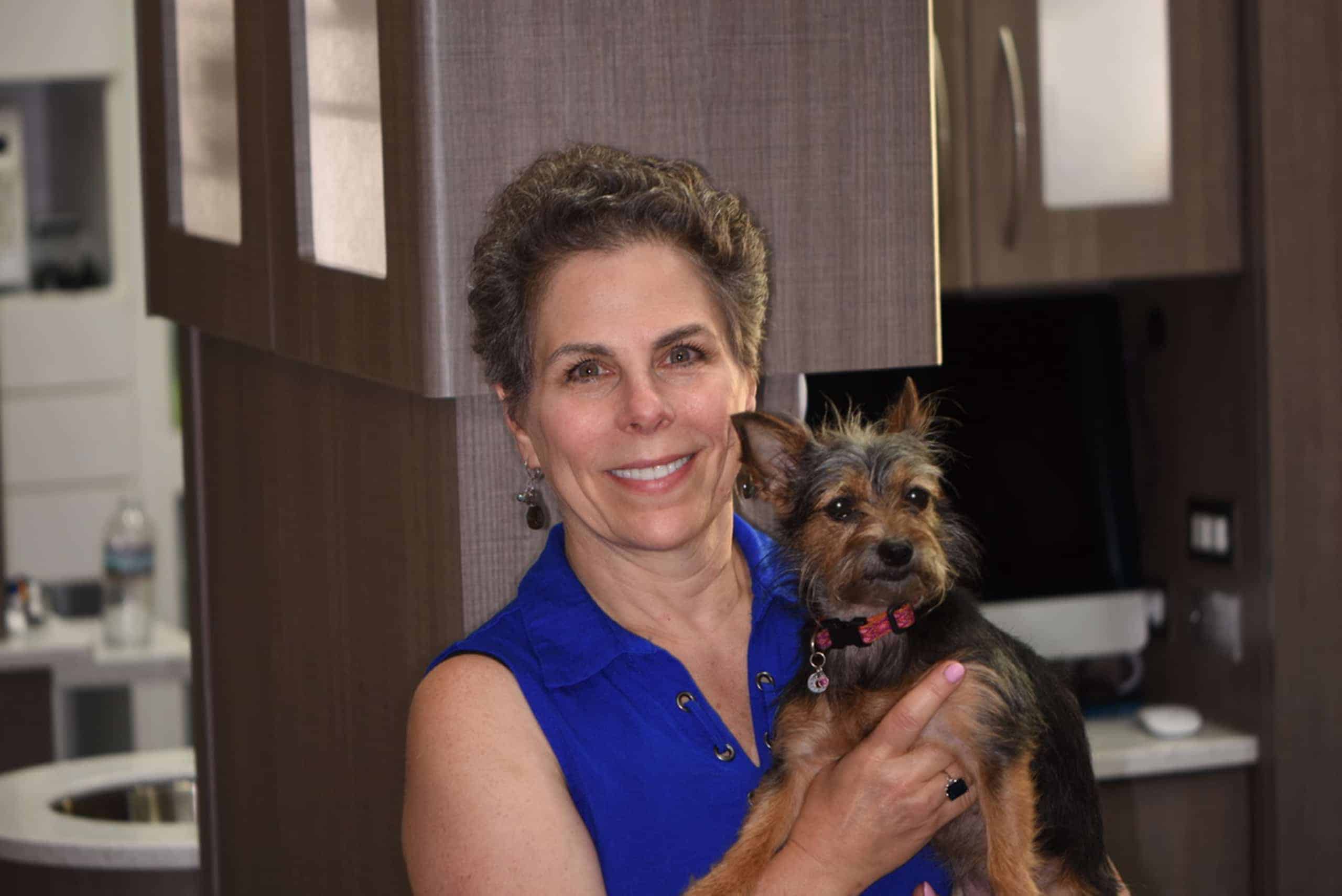
Dr. Snyder understands this side of care personally. She lived with TMJ pain for more than 30 years, an experience that shaped her focus on neuromuscular dentistry. Patients with jaw concerns can also explore TMJ treatment in Doylestown as part of their planning.
How Sleep Apnea Severity and Sleep Study Results Influence Treatment Selection
A sleep study produces several measurements. None of them decides on its own whether an oral appliance fits your needs.
What the Apnea-Hypopnea Index Tells the Sleep-Care Team
The apnea-hypopnea index (AHI) is the average number of qualifying breathing events per hour of sleep. An apnea is a pause in breathing. A hypopnea is a partial reduction in airflow.
Clinicians commonly classify adult OSA this way:
- Mild: 5 to under 15 events per hour
- Moderate: 15 to under 30 events per hour
- Severe: 30 or more events per hour
AHI offers a useful starting point. Your sleep physician interprets it alongside your symptoms and other findings from the study.
Why Oxygen Levels, Symptoms, and Medical History Also Matter
Two people with the same AHI can have very different sleep studies. One may show deep drops in blood oxygen, called oxygen desaturation. The other may stay close to normal levels all night.
Daytime sleepiness, heart disease, high blood pressure, and other conditions also shape treatment urgency. A patient with significant desaturation or cardiovascular concerns may need the most effective option available. AHI alone does not qualify anyone for an appliance.
Why a Medical Sleep Evaluation Comes Before Appliance Treatment
Snoring, morning headaches, and fatigue may suggest OSA. They do not confirm it, and other conditions can cause similar symptoms.
According to the National Heart, Lung, and Blood Institute, doctors diagnose sleep apnea using your medical history, a physical exam, and sleep study results. A physician or sleep medicine specialist may order a home sleep apnea test. In other cases, they may order in-lab polysomnography, an overnight study at a sleep center.
A dentist may notice warning signs during an exam and recommend testing. A dentist cannot diagnose OSA through an oral examination alone.
When Might an Oral Appliance Be Less Suitable?
The factors below call for careful, individualized evaluation. Some can be treated or managed first. Others may point toward a different approach.
Significant Dental Instability or Untreated Oral Disease
Active gum disease, loose teeth, and extensive untreated decay can all weaken appliance retention. Other issues, such as fractured teeth or failing restorations, can limit grip as well. Because the appliance places steady pressure on its anchor teeth, those teeth need to be healthy and stable.
In many cases, restoring dental health comes first. Once your mouth is stable, the dentist can reassess candidacy.
Severe Jaw Pain or Restricted Mandibular Movement
Advancement depends on your jaw’s ability to move forward comfortably. Significant joint pain or limited forward movement can make that difficult.
These patients may still have options, but planning becomes more careful. Some need TMJ care first. Others may use a gentler advancement strategy with close monitoring.
Patients Who Cannot Tolerate the Required Jaw Position
Every appliance works within a range. Too little advancement may not open the airway enough. Too much can cause jaw soreness, tooth pressure, or disrupted sleep.
The target is a position you can wear nightly that still meets treatment goals. Some patients cannot reach that balance, even after careful adjustment. For them, other treatments may work better.
Situations Where Medical Treatment Should Take Priority
Some patients need physician-directed care first. Examples include severe OSA with major oxygen drops, significant heart or lung conditions, or complex sleep disorders such as central sleep apnea.
Oral appliance therapy does not replace all other sleep apnea management. Weight management, positional therapy, positive airway pressure, or surgical evaluation may also play a role. Your sleep physician coordinates those decisions.
What Happens During an Oral Appliance Candidacy Evaluation in Doylestown, PA?
As a sleep apnea dentist in Doylestown, Dr. Snyder connects your medical diagnosis with a detailed look at your mouth and jaw. Here is what that visit typically covers.
Reviewing Your Sleep Apnea Diagnosis and Treatment History
The dentist starts by understanding your sleep history. That review may include:
- Your medical diagnosis and the clinician who made it
- Sleep study results, including AHI and oxygen data
- Past CPAP experience, if any
- Current symptoms, such as snoring or daytime fatigue
- Referral information from your physician
- Your personal treatment goals
It helps to bring copies of your sleep study and any CPAP records if you have them.
Examining Teeth, Gums, Jaw Function, and Bite
Next comes a hands-on exam. Dr. Snyder and her team evaluate:
- Dental stability and tooth mobility
- Periodontal health
- Jaw range of motion, including forward movement
- Bite relationships between your upper and lower teeth
- Existing restorations
- Appliance retention considerations
This exam also creates a baseline. A record of your bite before treatment makes later changes easier to track.
Determining Whether a Custom Appliance Is Appropriate
Your dental findings and medical treatment plan come together at this step. If your mouth can support an appliance, we choose a design suited to your teeth, jaw movement, and comfort needs. Our practice offers several custom appliance designs.
The dentist also communicates with your sleep physician. That collaboration keeps everyone aligned on goals, timing, and follow-up testing.
Planning Follow-Up and Objective Treatment Verification
After fitting and adjustment, your sleep-care team should confirm results with appropriate follow-up sleep testing. Your physician typically orders and interprets that test.
This step matters because feeling less tired or snoring less does not, by itself, prove your OSA is under control. Symptoms can improve while breathing events continue. Objective testing shows whether the appliance position is working.
What Should Patients Expect After Starting Oral Appliance Therapy?
Starting an appliance involves an adjustment period. Knowing what is normal helps you stay comfortable and consistent.
Adjusting the Appliance for Comfort and Effectiveness
Custom appliances usually start in a comfortable position with minimal advancement. Over follow-up visits, the dentist advances the jaw in small steps, a process called appliance titration.
Each adjustment depends on your symptoms, comfort, and clinical findings. Some patients reach a good position quickly. Others need more visits to find the right balance.
Temporary Jaw Soreness, Salivation Changes, and Other Early Effects
Early oral appliance side effects often feel mild and temporary. You may notice:
- Jaw or tooth discomfort in the morning
- Increased saliva or, for some people, dry mouth
- A bite that feels slightly “off” for a short time after you remove the appliance
- Morning stiffness in the jaw muscles
Many of these effects ease as you adapt. Tell your dentist if any effect persists, worsens, or interferes with sleep. A small adjustment often helps.
Monitoring Long-Term Bite Changes and Dental Health
Long-term oral appliance therapy can gradually shift tooth position or change how your upper and lower teeth meet. These occlusal changes may develop slowly and without discomfort.
That is why periodic dental visits matter, even when the appliance feels fine. Professional guidelines recommend ongoing dental oversight to watch for these changes and reduce them. Regular visits with your sleep physician also help confirm that treatment keeps working over time.
Oral Appliance Candidacy FAQs for Doylestown, PA Patients
Can I use an oral appliance if I have severe sleep apnea?
Possibly, in selected cases. Severe OSA calls for careful, physician-directed treatment planning, and CPAP typically reduces breathing events more effectively. An appliance may be an option if you cannot tolerate CPAP, with follow-up testing to measure results.
Do I need a sleep study before getting a sleep apnea mouthpiece?
Yes. OSA treatment should begin with a medical diagnosis based on an appropriate sleep evaluation. That study also gives your care team a baseline for measuring results later.
Can I get an oral appliance if I grind my teeth?
Possibly. Grinding does not automatically rule out treatment. Your dentist will evaluate bite forces, appliance design, and dental risks first. You can also read more about how sleep apnea and teeth grinding are connected.
Can I use an oral appliance if I have TMJ?
Some patients with TMD can use an appliance comfortably. Your dentist should assess jaw symptoms and mobility before treatment and monitor them closely afterward.
Are over-the-counter mouthguards effective for sleep apnea?
Generic mouthguards are not equivalent to professionally prescribed custom, titratable oral appliances. They lack a precise fit and controlled adjustment, and no clinician tracks your results. Relying on one can also delay a proper diagnosis.
How do I know if my oral appliance is working?
Better sleep and less snoring are encouraging signs. Objective follow-up sleep testing, coordinated with your sleep physician, confirms whether the appliance is controlling your OSA.
Find Out Whether Oral Appliance Therapy Is Right for You in Doylestown, PA
If you have a confirmed OSA diagnosis or struggle to use CPAP, an evaluation can clarify your options. Dr. Snyder and her team will review your sleep study, examine your teeth and jaw, and coordinate with your sleep physician.
If you have not been diagnosed but notice snoring, fatigue, or morning headaches, start with a medical sleep evaluation. Your physician can order the appropriate type of sleep test. Once you have results, we can help you plan the next steps.
Patients from Doylestown and across Bucks County can request a sleep apnea appliance consultation with Beth Snyder, DMD & Associates.