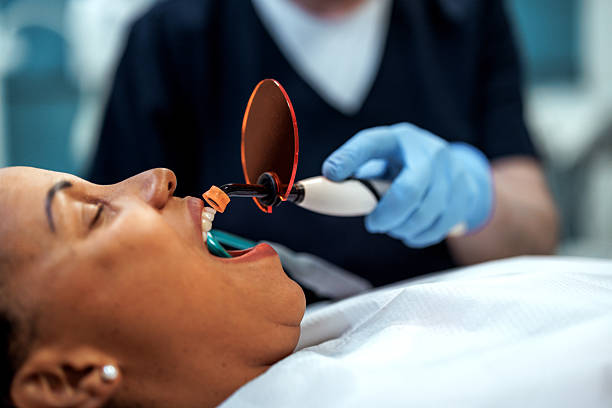
Worn front teeth can quietly change a smile over the years. Composite bonding offers a way to rebuild what has been lost, often without covering the whole tooth.
This article explains how additive composite bonding restores worn incisal edges. It also covers when this conservative approach makes sense, and when a broader restorative plan may serve a patient better.
What Do Worn Front Teeth Look Like?
Front tooth wear tends to develop gradually. A patient may not realize how much length has been lost until the change becomes noticeable in the mirror or in photos.
Recognizing the signs early can help patients understand their options before wear progresses further.
Flattened or Shortened Incisal Edges
The incisal edge is the biting edge of a front tooth. Over time, this edge can flatten or shorten, leaving once-youthful incisors looking visibly worn.
Common signs include:
- Flat or squared-off edges that once had a natural curve
- Uneven length between the two front teeth
- Loss of the soft, youthful contour along the biting edge
- Growing symmetry problems from one side of the smile to the other
- Short front teeth that appear noticeably shorter than they used to
This kind of incisal edge wear can happen slowly enough that patients adjust to worn tooth edges without noticing the full extent of the change.
Small Chips and Uneven Edges Can Develop Alongside Wear
As incisal edges thin from wear, these thin tooth edges can become more prone to small fractures. This pattern differs from a single chipped tooth edge caused by an isolated injury.
Cumulative wear gradually produces worn enamel across the edge over months or years, a process also known as enamel wear. A single traumatic chip usually happens all at once, from a fall or a hard bite on something unexpected. Both can leave a tooth looking uneven, but the underlying cause and treatment planning for these edge fractures differ.
Tooth Wear Can Affect Both Appearance and Bite Function
Shortened front teeth affect more than appearance. When incisal edges wear down, it can change:
- How the smile looks in proportion to the lips and face
- How the upper and lower teeth meet when biting
- The guidance those teeth provide during jaw movement
- How chewing forces distribute across the front teeth
Because of this, addressing worn front teeth often involves looking at both the smile and the bite together.
Why Do Front Teeth Become Worn Down?
Several factors can contribute to front tooth wear. Understanding the cause matters before any restorative bonding is planned, since the reason behind the wear can affect how treatment is approached.
Teeth Grinding and Clenching Can Wear Down Incisal Edges
Teeth grinding and clenching, known clinically as bruxism, is a common contributor to incisal wear. Repeated tooth-to-tooth contact under heavy bite forces gradually removes enamel from the biting edges, a pattern often described as tooth attrition.
Worn teeth from grinding tend to show a distinct pattern. Grinding-worn front teeth often develop flatter, shorter edges than teeth worn down by other causes.
According to the National Institute of Dental and Craniofacial Research, bruxism can lead to flattened, chipped, or worn tooth enamel over time. In more severe cases, it can also cause jaw soreness and headaches.
Patients dealing with grinding-related jaw pain may want to review the practice’s TMJ treatment options. Jaw function and tooth wear are often connected, especially for patients with suspected sleep-related bruxism.
Bite Patterns Can Concentrate Force on Specific Front Teeth
Not everyone experiences bite wear evenly across their smile. Tooth position, occlusion, and how the jaw moves during chewing and speaking can concentrate bite forces on certain teeth more than others.
This uneven pattern is sometimes called anterior tooth wear, since it affects the front teeth disproportionately. A patient with a particular bite pattern may see wear concentrated on one or two front teeth. The rest of the smile can stay relatively unaffected.
Occlusal wear like this is often a clue that a patient’s bite plays a role in the pattern of damage.
Acid Erosion and Mechanical Wear Can Occur Together
Grinding is not the only cause of lost tooth structure. Dentists generally distinguish between a few related processes:
- Attrition, or wear from tooth-to-tooth contact
- Erosion, or softening and loss of enamel from acid exposure
- Abrasion, or wear from an outside source, such as aggressive brushing
These processes can occur separately or together. Identifying which one is driving the wear helps a dentist plan treatment that addresses the actual cause, not just the visible result.
What Is Additive Composite Bonding for Worn Teeth?
Additive dentistry takes a different approach than treatments that cover an entire tooth. Instead of placing a shell over the whole visible surface, a dentist adds tooth-colored resin specifically where structure has been lost.
This type of dental composite bonding treats the missing portion of the tooth, rather than replacing the tooth’s surface entirely. For many patients with localized incisal wear, this distinction matters. This approach to composite bonding on teeth, sometimes called direct composite bonding, is one of the cosmetic dentistry services available for treating worn teeth.
Composite Resin Can Replace Lost Tooth Length
When incisal edges have worn down, additive composite can rebuild what has been lost. Composite edge bonding places resin along the worn edge to restore:
- Length that has gradually worn away
- The original shape of the biting edge
- Symmetry between the two front teeth
- A natural contour along the edge
The resin bonds directly to the remaining tooth structure, extending it back toward its original form. This process of rebuilding worn front teeth is often described as restoring worn tooth edges, since the treatment focuses only on what has changed.
Bonding Can Preserve Healthy Enamel Because It Is Primarily Additive
This is one of the strongest advantages of composite bonding for worn teeth: enamel preservation. Because the treatment adds material rather than removing it, this additive dental treatment often requires little removal of healthy enamel. This holds true when the case is well suited to it.
This does not mean every case involves zero preparation. Some patients need minor adjustments to the tooth surface so the composite can bond properly. But the overall philosophy stays additive: replace what is missing, rather than reduce what remains.
This approach reflects the broader principle of conservative restorative dentistry. Preserving natural enamel and supporting natural tooth preservation remain primary goals whenever a case allows for it.
Composite Can Be Sculpted to Recreate Natural Incisal Anatomy
Rebuilding a worn edge is not just about adding length. A dentist considers several details to make the result look natural, including:
- The shape of the new incisal edge
- The width of the tooth compared to its neighbors
- Line angles where surfaces meet
- Translucency near the biting edge
- Surface texture that reflects light the way natural enamel does
Matching these details, including shade and translucency, takes clinical judgment and an eye for how natural teeth actually look.
Why Bonding Worn Front Teeth Is Different From Covering the Entire Tooth
Understanding this difference helps patients see why additive bonding is often considered first for localized wear. It is usually weighed before moving to treatments that cover more of the tooth.
Additive Bonding Targets the Missing Tooth Structure
Worn incisal edges often represent a fairly contained problem, one that minor composite bonding can address directly. When the rest of the tooth is healthy, treatment can focus specifically on the area that has worn down. This kind of composite edge bonding targets only the missing structure, rather than altering the entire visible surface.
This conservative tooth restoration approach works well for many patients seeking composite bonding on their front teeth, since it treats the problem area without reshaping the whole tooth.
Healthy Facial Enamel Can Often Remain Untouched
When a tooth’s front surface is healthy and only the edge has worn, that facial enamel can often stay untouched. This matters for a few reasons.
Retaining more of the natural tooth supports a more conservative treatment overall. It also preserves a stronger bonding substrate, since resin adheres well to intact enamel. And it can leave more options open for the future, if a patient’s needs change over time.
This does not mean other treatments always remove large amounts of tooth structure. The right approach depends on each tooth’s specific condition and what the patient wants to achieve.
Future Repairs Can Often Remain Localized
One practical advantage of additive composite bonding is how repairs are typically handled later. If a bonded edge wears or chips again, a dentist can often polish, add to, or reshape that specific area. In many cases, the tooth can be repaired locally without needing to replace the entire restoration.
Who May Be a Good Candidate for Composite Bonding on Worn Front Teeth?
Candidacy depends on several factors specific to each patient’s teeth and bite. A dental exam is the only way to know for certain whether additive bonding fits a particular case.
Patients With Localized Edge Wear and Healthy Remaining Tooth Structure
Favorable candidates for composite bonding for worn teeth often share a few characteristics. These patients are typically a good fit for edge bonding or other forms of conservative cosmetic dentistry:
- Limited wear confined mostly to the incisal edge
- Adequate healthy enamel remaining on the tooth
- A stable tooth without significant underlying damage
- No major fracture beyond the worn area
- Bite conditions that will not overload the new restoration
Patients Looking to Restore Tooth Length Without Full Coverage
Many patients considering cosmetic bonding want specific outcomes, such as:
- Restoring teeth that have visibly shortened over time
- Improving symmetry between the front teeth
- Rebuilding worn edges without a more involved procedure
- Maintaining as much of their natural tooth as possible
Front tooth bonding, sometimes called natural composite bonding for its lifelike results, can address these goals well when the underlying tooth structure supports it.
When Wear Is Too Extensive for Simple Edge Bonding
Additive bonding is not the right fit for every worn tooth. Broader restorative treatment may be worth considering when a patient has:
- Severe loss of tooth structure beyond the incisal edge
- Significant collapse of the bite over multiple teeth
- Extensive cracking in the remaining tooth
- Large existing restorations that limit bonding options
- Very limited healthy enamel left to bond to
- Heavy, uncontrolled bite forces affecting several teeth
In these situations, a dentist may discuss options within restorative dentistry rather than treating the wear with composite bonding alone.
Why the Cause of Tooth Wear Should Be Addressed Before or Alongside Bonding
Placing composite onto worn edges without addressing what caused the wear can lead to the same problem happening again. This is one of the most important planning steps in this type of treatment.
Ongoing Grinding Can Chip Newly Restored Tooth Edges
If bruxism caused the original wear and continues unaddressed, the same forces can chip or wear down new composite. Clenching, edge-to-edge contact, and repeated overload do not stop simply because a tooth has been restored.
For patients with a suspected grinding habit, discussing bite forces and jaw function during treatment planning helps protect the investment made in bonding.
A Bite Evaluation Helps Determine Where Composite Can Be Added Safely
Before adding composite to a worn edge, a dentist evaluates several factors related to restorative space. Restorative space means the room available to safely add material without creating new bite problems. This evaluation looks at:
- How the teeth contact each other during normal function
- The restorative space available for the added composite
- How the jaw moves during speaking and chewing
- How the opposing teeth meet the restored edge
- The existing pattern of wear across the smile
This step helps determine whether bonding can restore the tooth’s appearance. It also helps confirm whether the result can hold up over time.
Protective Strategies May Be Needed After Treatment
Depending on what caused the original wear, a dentist may recommend additional steps after bonding is complete. These can include:
- Regular monitoring of the bonded teeth
- A nightguard, when grinding or clenching is a factor
- Ongoing management of bruxism habits
- A sleep-related evaluation, when indicated by symptoms
- Routine maintenance visits
A nightguard protects teeth from grinding forces. It is not a treatment for sleep apnea, though patients with sleep-related symptoms may benefit from a broader evaluation alongside their bonding treatment.
How Composite Bonding Rebuilds Worn Front Teeth Step by Step
Understanding the general process can help patients know what to expect during treatment.
Evaluating Tooth Length, Wear Pattern, and Smile Proportions
Treatment planning starts with assessing what has been lost, rather than simply deciding to make the teeth longer. A dentist considers how the tooth likely looked before wear occurred, using the opposing tooth, neighboring teeth, the smile line, and the bite as reference points.
Selecting and Layering Tooth-Colored Composite
The dentist selects a composite resin shade and opacity that will blend with the surrounding natural teeth. This process, sometimes called composite bonding shade matching, builds up the lost structure gradually in layers. Each layer helps match the translucency of natural enamel near the biting edge, creating a result that reflects natural composite bonding at its best.
Shaping the New Incisal Edge
Once the composite is in place, the dentist sculpts the new edge. This includes adjusting length, refining the corners, shaping the incisal contour, and recreating surface anatomy that mimics natural tooth texture. The dentist also considers symmetry between the two front teeth, without aiming to make them artificially identical. The goal is a natural-looking result that fits the rest of the smile.
Checking the Bite Before Final Polishing
Before finishing the restoration, the dentist checks how the new edge interacts with the bite. This includes resting contact, biting pressure, and jaw movements in different directions to identify any interferences or heavy contact points. Once the bite checks out, the composite is polished to a smooth, natural finish.
Can Composite Bonding Make Worn Front Teeth Look Longer Again?
Yes, in many cases composite bonding can restore length that has been lost to wear. How much length can safely be restored depends on the patient’s bite and how much healthy tooth structure remains.
Restoring Lost Length Can Improve Smile Proportions
Worn front teeth can make a smile appear shorter or flatter than it once was. This shift can also affect overall facial proportions and make a smile look less symmetrical than before.
Some patients also notice that shorter front teeth change the character of their smile over time, without implying this is a flaw every patient needs to correct. Restoring lost length through composite bonding can help bring back more balanced proportions for patients who want that change.
Tooth Length Must Still Work With the Patient’s Bite
Cosmetic lengthening cannot be planned by appearance alone. The final length has to work with how the patient bites and chews. Otherwise, the new edge risks the same wear pattern that affected the original tooth. Aesthetics and function need to move forward together in this type of treatment.
Composite Bonding vs More Extensive Restorations for Worn Teeth
The right level of treatment depends on how much wear has occurred and how it affects the rest of the mouth.
Mild Wear May Allow Selective Composite Addition
Localized wear, healthy surrounding enamel, and limited edge loss are the conditions that typically support a conservative approach. In these cases, selective composite addition can restore the tooth without a larger procedure.
Moderate or Severe Tooth Wear May Require Broader Restorative Planning
When multiple teeth are affected, when there is significant loss of vertical tooth structure, or when the bite itself has shifted, broader restorative dentistry in Doylestown may need to be considered. In these cases, worn teeth restoration often involves complex restorative space issues across several teeth, which generally calls for planning beyond single-tooth bonding.
| Wear Severity | Typical Characteristics | General Treatment Direction |
|---|---|---|
| Mild | Localized edge wear, healthy enamel remaining | Selective composite bonding |
| Moderate to Severe | Multiple teeth affected, bite changes, limited enamel | Broader restorative evaluation |
How Long Does Bonding on Worn Front Teeth Last?
There is no single guaranteed timeline for composite bonding longevity, since how long the result lasts depends on several individual factors. These include:
- The forces placed on the bite, including grinding or clenching
- The location of the bonded teeth
- How much composite was added
- Daily oral habits, such as biting on hard objects
- Ongoing bonding maintenance and dental checkups
Because these factors vary from patient to patient, a dentist can give a more specific estimate after evaluating the individual case. Regular checkups allow a dentist to catch and address small areas of composite edge wear before they turn into larger issues, and a bonding repair can often resolve them without starting over.
FAQs About Composite Bonding for Worn Front Teeth in Doylestown, PA
Can composite bonding rebuild worn-down front teeth?
Yes. When enough healthy tooth structure remains and the bite is suitable, composite resin can often be added to worn front-tooth edges to restore lost length and contour.
Do worn teeth have to be covered with veneers?
No. Some localized wear can be treated with additive composite bonding. More extensive wear may require a different restorative approach depending on tooth structure, bite, and functional needs.
Does bonding worn teeth require removing enamel?
Composite bonding is often primarily additive and may require little removal of healthy enamel. The exact preparation depends on the condition of the tooth.
Can teeth grinding break composite edge bonding?
Heavy grinding or clenching can increase wear and fracture risk. Bite forces and the cause of the original tooth wear should therefore be evaluated during treatment planning.
Can composite bonding make short front teeth look longer?
Yes, in appropriate cases, composite can restore lost incisal edge length and improve tooth proportions. The final length must also remain compatible with the patient’s bite.
Can worn composite bonding be repaired later?
Often, yes. Small areas of wear or chipping can sometimes be repaired or refinished without replacing all of the existing bonding.
Restore Worn Front Teeth Conservatively With Composite Bonding in Doylestown, PA
Worn front teeth do not always require a treatment that covers the entire tooth. For many patients, conservative and additive composite bonding can rebuild lost length and shape while preserving healthy enamel.
The right approach depends on the extent of the wear, the health of the remaining tooth structure, and a careful bite evaluation. An evaluation with Beth Snyder, DMD & Associates can help determine whether composite bonding is a good fit, or whether a broader restorative plan would serve you better.
If you have noticed your front teeth looking shorter, flatter, or less even than they used to, schedule an evaluation with our Doylestown team to discuss your options for restoring your smile. Beth Snyder, DMD & Associates proudly serves patients throughout Doylestown and greater Bucks County.