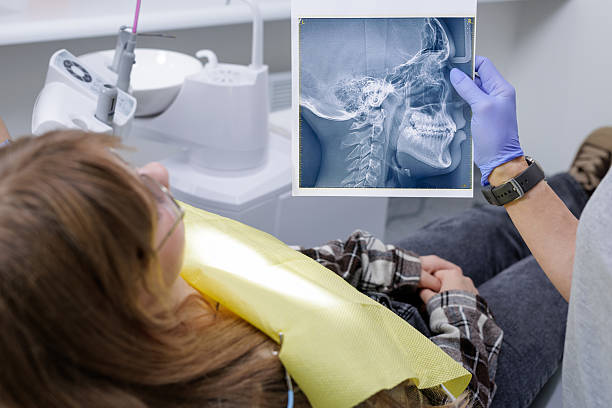
Temporomandibular disorders can sometimes contribute to ear pain, a feeling of fullness or pressure, and ringing in the ears. The jaw joints and chewing muscles sit close to the ears and share sensory pathways with nearby structures. Ear symptoms can also come from the ear itself, so no one should assume TMJ is the cause without a proper evaluation.
“TMJ” refers to the temporomandibular joint, while “TMD” describes disorders of the jaw joints, chewing muscles, or related structures. TMJ ear pain may appear alongside ear fullness, ringing, jaw clicking, tender jaw muscles, or symptoms that change when you chew.
Some symptoms need prompt medical care. Sudden hearing loss, especially with new ringing or fullness, is a medical emergency that calls for a doctor right away. Severe ear pain, fever, drainage, or neurological symptoms also call for medical assessment.
At Beth Snyder, DMD & Associates, we offer TMJ evaluation and treatment in Doylestown. Dr. Snyder lived with TMJ pain for more than 30 years. TMJ care can ease jaw-related discomfort, but it does not reliably cure tinnitus.
Why Can TMJ Disorders Cause Symptoms That Feel Like Ear Problems?
The jaw joint and the ear are close neighbors. That proximity, plus shared nerves, explains why TMJ ear pain can feel so convincing. The TMJ does not damage the ear itself. The brain can simply misread where the discomfort starts.
Where the Temporomandibular Joint Sits in Relation to the Ear
Place a fingertip just in front of your ear canal and open your mouth. The movement you feel is your temporomandibular joint.
Each joint has a few key parts:
- The mandibular condyle, the rounded top of your lower jaw
- The temporal bone, the part of the skull that also houses the ear
- The joint capsule, a fibrous sleeve that surrounds the joint
- The chewing muscles that move the jaw
Because the joint sits just in front of the outer ear, the two regions overlap closely. Many people with jaw joint pain near the ear first assume they have an ear infection.
How Shared Nerve Pathways Can Produce Referred Ear Pain
Referred pain is discomfort that starts in one structure but feels like it comes from another. A “brain freeze” from cold ice cream, felt in the forehead, is a familiar example.
The trigeminal nerve carries sensation from much of the face and jaw. One of its branches, the auriculotemporal nerve, supplies both the jaw joint and areas around the ear. When the joint or nearby muscles hurt, the brain may register that pain in the ear.
Ear pain without infection does not automatically mean a jaw problem, though. Teeth, sinuses, the throat, and the ear itself can all produce similar sensations.
Why Jaw Muscles Can Contribute to Pain Around the Ear
Your masseter runs along the side of your jaw and cheek. Your temporalis fans across the side of your head above the ear. Deeper muscles, called the pterygoids, also help move the jaw forward and side to side. All of them work hard during chewing and clenching.
Tense or overworked muscles can develop tender spots that send pain to nearby areas. Clinicians call this myofascial pain. Masticatory muscle pain often shows up in front of the ear, along the jaw, or at the temple. Jaw muscle tension from daytime clenching or nighttime grinding can make it worse.
Can TMJ Cause Ear Fullness or a Feeling of Pressure?
Some people with TMD describe a clogged or pressurized ear, even when their ears look healthy. Clinicians call this sensation aural fullness. It can feel frustrating because it is hard to pin down.
What TMJ-Related Ear Fullness May Feel Like
Patients often describe:
- A blocked-ear sensation, as if they need to “pop” their ears
- Pressure near or inside the ear
- Fullness that comes and goes
- Ear pressure that appears alongside jaw soreness or tightness
These sensations are not specific to TMD. Many ear and sinus conditions feel the same way.
Why Ear Pressure May Change With Jaw Movement
Fullness that worsens when you chew, clench, or open wide makes a muscle or joint contribution more likely. That pattern gives your dentist a useful clue.
A clue is not a diagnosis. Some ear conditions also change with swallowing or jaw movement, so symptom changes alone cannot confirm TMD.
How TMJ-Related Fullness Differs From Eustachian Tube Problems
The Eustachian tube connects your middle ear to the back of your nose and throat. When it does not open properly, pressure builds behind the eardrum. Eustachian tube dysfunction often follows colds, allergies, or air travel.
Congestion, fluid behind the eardrum, earwax, and other middle-ear conditions can also cause a clogged ear. A medical ear examination checks for these causes directly. If you have fullness without clear jaw symptoms, start with your physician or an ENT specialist.
Can TMJ Disorders Cause Earaches Without an Ear Infection?
Yes, in some cases. Ear pain that comes from somewhere other than the ear is called secondary or referred otalgia. Jaw joint and muscle disorders are one possible source.
Why Jaw Pain Can Be Felt Inside or Around the Ear
The shared nerve pathways described above explain much of this. Pain from an irritated joint can feel like it sits deep inside the ear. Tender spots in the masseter can also send pain toward the ear canal.
That is why some patients see a physician for an earache and learn their ears look normal. Their discomfort may come from the jaw instead.
Why Chewing, Clenching, or Opening Wide May Make Ear Pain Worse
Jaw muscles and joints work hardest during certain activities. Ear-area pain linked to TMD often flares with:
- Chewing firm foods, such as bagels, steak, or raw vegetables
- Opening wide to yawn or take a large bite
- Prolonged clenching during stress or concentration
- Jaw fatigue after long meals or conversations
- Pressure on tender muscles near the ear
Chewing-related pain has other possible causes, too. A cracked tooth, a dental abscess, or a salivary gland problem can also hurt when you chew.
When Ear Pain Needs a Medical Examination First
See a physician or ENT specialist before a dental visit if your ear pain comes with:
- Fever
- Drainage from the ear
- Hearing changes
- Severe or worsening pain
- Dizziness or vertigo
- Symptoms with no clear link to jaw movement
A dental evaluation can complement medical or ENT care. It does not replace a medical ear exam when these signs are present.
Can TMJ Cause Ringing or Buzzing in the Ears?
Tinnitus is ringing, buzzing, humming, or hissing that no one else can hear. Its relationship to TMD is real but complex.
Understanding the Association Between TMD and Tinnitus
Tinnitus and TMD can occur together. In some people, signals from the jaw muscles and joints may influence how the brain processes sound. Researchers believe this link involves trigeminal pathways that connect the face and jaw with hearing centers in the brain.
Tinnitus has many possible causes, though. Noise exposure, age-related hearing loss, earwax, certain medications, and ear disorders are all common sources. TMJ is only one possible contributor.
What Is Somatosensory Tinnitus?
Somatosensory tinnitus is ringing that changes when you move or tense parts of your head, neck, or jaw. Some people notice the sound gets louder, softer, or shifts in pitch when they clench or slide the jaw forward.
This pattern, sometimes called jaw-modulated tinnitus, can be clinically useful. It suggests muscle or joint input may play a role. On its own, it does not establish a diagnosis.
Can TMJ Treatment Make Tinnitus Go Away?
Some patients with both TMD and tinnitus notice their ringing changes after appropriate TMD care. For others, the tinnitus stays the same even when jaw pain improves.
No splint, bite adjustment, or dental treatment can promise to cure tinnitus. A realistic goal is to treat a diagnosed jaw disorder and see whether related auditory symptoms respond.
When Ringing in the Ears Requires Hearing Evaluation
An audiologist or ENT specialist should evaluate tinnitus that is:
- Persistent or worsening
- One-sided
- Pulsatile, meaning it beats in rhythm with your heartbeat
- New, without an obvious cause
Sudden hearing loss with tinnitus is an urgent medical concern. Seek medical care right away rather than waiting for a dental appointment.
What Other Symptoms Suggest Your Ear Discomfort May Be Related to TMJ?
Ear symptoms rarely point to TMD on their own. Clinicians look for a cluster of jaw-related signs. Even then, a combination of symptoms raises suspicion without confirming a diagnosis.
Jaw Clicking, Popping, or Locking
Clicking or popping without pain is common. The National Institute of Dental and Craniofacial Research considers painless joint sounds normal and notes they do not need treatment.
Clicking deserves attention when it comes with pain, limited opening, or locking. A jaw that catches, gets stuck, or will not open fully warrants an evaluation.
Facial Pain, Temple Headaches, and Jaw Muscle Tenderness
The temporalis muscle covers the temple, so tension there can feel like a headache on the side of the head. Masseter tension can spread across the cheek and in front of the ear.
Headaches and migraines have many causes, though, and TMD is only one possibility. A temple headache alone does not mean you have TMD.
Morning Jaw Soreness and Teeth Grinding
Waking with a sore jaw, tired chewing muscles, or ear-area aching can point to nighttime clenching or grinding, also called bruxism. Our article on the connection between grinding and jaw symptoms explains how grinding, sleep, and tooth wear relate.
Grinding is only one possible contributor. Many people with TMD do not grind, and many people who grind never develop TMD.
Symptoms That Become More Noticeable During Chewing or Talking
Discomfort that builds through a meal or a long phone call often points toward the jaw. Clinicians call this functional aggravation, meaning symptoms worsen with use.
Tracking when your symptoms flare can help your dentist narrow down the source. A simple note on your phone works well.
How Can a Dentist Tell Whether Ear Symptoms May Be Coming From TMJ?
No single test confirms TMD. A dentist builds a picture from your history, a hands-on exam, and imaging when needed. Throughout that process, medical ear conditions stay on the list of possibilities.
Reviewing When the Ear Symptoms Started and What Makes Them Worse
Your dentist will likely ask about:
- When the ear symptoms started
- How long they last and how often they return
- Whether they affect one side or both
- Any hearing changes
- Whether jaw movement changes the symptoms
- Pain while chewing
- Results from any prior ear exam
These answers help point the evaluation in the right direction. Symptoms tied to jaw movement suggest a muscle or joint role. Hearing changes or one-sided symptoms may call for an ear evaluation first.
It helps to bring notes from any physician or ENT visit.
Examining Jaw Movement, Joint Tenderness, and Chewing Muscles
The exam typically checks:
- How wide you can open your mouth
- How smoothly your jaw moves forward and side to side
- Tenderness over the joints
- Tender spots in the chewing muscles, found with gentle pressure
- Joint sounds during movement
- Any limits on chewing, speaking, or yawning
Many patients need no imaging at all. A careful history and exam often provide enough information to guide next steps.
When Imaging or Specialist Referral May Be Needed
Imaging may help in selected cases. Examples include suspected structural joint problems, symptoms that persist despite care, or significant limits on jaw movement. Your dentist may recommend 3D imaging when bone detail could change the treatment plan.
Your dentist may also refer you to:
- Your physician
- An ENT specialist for an ear examination
- An audiologist for hearing and tinnitus testing
- An orofacial pain specialist for complex or persistent pain
Why a Normal Ear Examination Does Not Automatically Confirm TMJ
A normal ear exam is useful information. It may lead clinicians to look for referred pain from the jaw.
It does not prove the jaw is the source, though. Dental infections, nerve conditions, neck problems, and other medical issues can also cause ear-area pain. A careful evaluation keeps those possibilities open until the evidence points one way.
How Are TMJ-Related Ear Symptoms Treated?
Treatment targets the diagnosed jaw disorder rather than the ear sensation itself. When TMD is the source, easing jaw strain may also ease the related ear discomfort. Results vary from person to person.
Conservative Care for Jaw Muscle and Joint Pain
The National Institute of Dental and Craniofacial Research recommends conservative care first. It also advises avoiding treatments that permanently change the jaw joints, teeth, or bite. Conservative options may include:
- Choosing softer foods for a short time to reduce chewing strain
- Noticing and relaxing daytime clenching
- Gentle jaw movement guided by your dentist
- Physical therapy when indicated
- Symptom management directed by your clinician
The goal is to calm overworked muscles and joints while keeping the jaw moving normally. Long periods of jaw immobilization are not part of this approach.
When an Occlusal Appliance May Be Considered
Some patients with diagnosed TMD may benefit from a stabilization appliance, a custom splint worn over the teeth. It can reduce strain on the jaw muscles and joints, especially during sleep.
This splint differs from a mandibular advancement appliance used for obstructive sleep apnea. A sleep apnea appliance holds the lower jaw forward to support breathing, which serves a different purpose.
An appliance does not always resolve ear symptoms. Your dentist will monitor how your jaw and ear-area symptoms respond over time.
Why Treating the Underlying Diagnosis Matters More Than Treating the Ear Sensation Alone
Ear fullness, pain, or ringing describes a symptom. Effective care targets the condition behind it, whether that is TMD, an ear disorder, or another cause.
That is also why permanent bite changes, such as reshaping teeth to alter the bite, are not routine first-line TMD treatment. Reversible care comes first, and any further step should follow a clear diagnosis.
When Should Doylestown Patients Seek Help for Jaw-Related Ear Symptoms?
The right first step depends on your symptoms. Use the guidance below to decide whether to start with a dentist or a physician.
When a TMJ Evaluation May Be Appropriate
Consider a TMJ evaluation if ear-region discomfort keeps returning along with:
- Jaw pain or stiffness
- Tender chewing muscles
- Clicking or popping with pain
- Symptoms that flare when you chew, talk, or clench
A TMJ dentist in Doylestown can assess your jaw and coordinate with your physician if ear concerns remain.
When an ENT or Medical Evaluation Should Come First
Start with a physician or ENT specialist if you notice:
- Sudden hearing loss
- New, severe dizziness
- Drainage from the ear
- Fever
- New neurological symptoms, such as facial weakness or numbness
- Persistent one-sided or pulsatile tinnitus
Urgent symptoms should not wait for a routine dental appointment. Sudden hearing loss, in particular, needs medical care right away.
Why Coordinated Dental and Medical Care May Be Necessary
Ear symptoms sit at the crossroads of several specialties. Dentists assess the jaw joints, muscles, and bite. Physicians and ENT specialists examine the ear, nose, and throat. Audiologists measure hearing and evaluate tinnitus.
When these clinicians share findings, patients get a clearer answer about the true source of their symptoms.
FAQs About TMJ and Ear Symptoms in Doylestown, PA
Can TMJ cause ear pain without an infection?
Yes. TMD can produce referred pain in or around the ear, even when the ear itself looks healthy. Your clinician should still consider other dental, ear, and medical causes.
Can TMJ make your ear feel clogged?
Some people with TMD report ear fullness or pressure. Eustachian tube problems, congestion, and other ear conditions can cause the same feeling, so a proper exam matters.
Can TMJ cause ringing in one ear?
TMD may occur alongside tinnitus, including one-sided ringing. Still, one-sided tinnitus deserves a medical or audiology evaluation before anyone attributes it to TMJ.
Why does my ear hurt when I chew?
Chewing can aggravate jaw muscle or joint disorders, which may refer pain to the ear. Dental problems and ear conditions can also cause pain while chewing.
Can a nightguard stop TMJ-related ear pain?
A custom TMD appliance, often called a nightguard or splint, may help some patients with diagnosed TMD. Results vary, and no appliance guarantees relief from ear pain or tinnitus.
Should I see a dentist or an ENT specialist for ear pressure?
It depends on your symptoms. Hearing changes, drainage, fever, or vertigo call for medical assessment first. Jaw pain or symptoms tied to chewing may justify a dental TMD evaluation.
Get Jaw Pain and TMJ Symptoms Evaluated in Doylestown, PA
If jaw discomfort, chewing-related pain, or ear-area aching keeps coming back, a TMJ evaluation can help clarify what is going on. Dr. Snyder and her team will review your symptoms, examine your jaw and chewing muscles, and explain your options.
Some ear symptoms need a physician or ENT specialist first, and we will let you know if yours do. Patients from Doylestown and across Bucks County can schedule a dental evaluation with Beth Snyder, DMD & Associates.